直播



WHY SHOULD SOMEONE INVEST IN RELIGIOUS COIN?
A “religious coin” is usually not a church, a charity, or a belief system on-chain. It’s a meme that borrowed sacred symbols because those symbols already have billions of years of brand recognition.
Someone buys it for the same reason they buy any ticker with a loud story: they think other people will care about the story next.
The pitch, without the halo
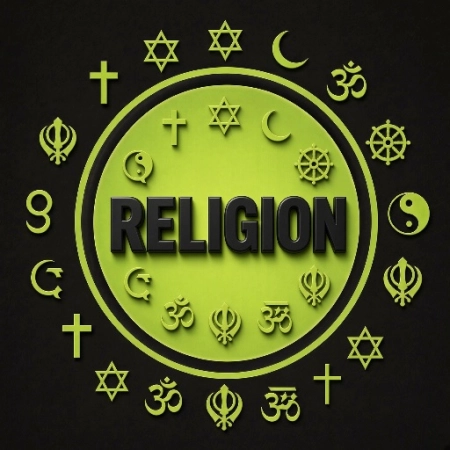
Religion is the oldest attention network on earth. Cross, crescent, Om, Star of David — you don’t need to explain them. A coin that wraps those signs in a chart is betting that:
• faith communities are huge,
• identity is sticky,
• and sticky identity can become volume.
That’s the whole thesis. Not salvation. Distribution.
Why the narrative can work (in a casino sense)
1. Instant meaning. Most memes invent a mascot. Religion already has icons, holidays, enemies, and in-jokes. The marketing is pre-installed.
2. Tribe. People don’t just hold a ticker. They hold a side. “This is the Christian coin / the unity coin / the anti-establishment temple coin” gives holders a reason to spam besides price.
3. Moral cover. Some buyers tell themselves it’s not gambling — it’s “supporting values.” That story can keep a bag in the wallet longer than a dog picture. Longer hold = slower dump, sometimes.
4. Controversy is reach. Mix faith and money and you get sermons and dunks. Argument is free ads.
5. Cyclical calendar. Christmas, Ramadan, Diwali, Easter — if a community actually exists, those dates can become liquidity events the way DOGE had 4/20.
What it is not
It is not holy.
A token contract does not get blessed because you put a cross next to the ticker.
It does not tithe unless the code actually sends fees to a real, transparent cause — and most don’t.
It does not represent a religion. Religions didn’t vote on the mint.
If the site says “on-chain cathedral” and the holders are 40 wallets, you bought a sticker.
Why most “God coins” die
• Blasphemy backlash. A chunk of the exact audience you wanted will call it disrespectful and stay away.
• No single church. “Religion” is not one customer. A unity logo with every symbol often belongs to nobody.
• Dev risk is the same. Anonymous mint, bundled supply, dump on the faithful. Faith does not pause sell buttons.
• Regulators and platforms treat “invest in God” copy as extra spicy. Listings can vanish.
• The joke has two edges. Sacred symbols convert some people and permanently repel others. Cap on addressable degens.
The honest buyer profile
Someone buys a religious coin if they believe at least one of these:
• a real community will treat the ticker like a badge,
• a holiday or news cycle will send tourists into the chart,
• “unity of faiths” is a meme that can trend,
• or they’re just early to a narrative and plan to exit into believers.
They should not buy it because they think God is in the liquidity pool.
Four questions before you ape
1. Is there an actual community, or just clip-art symbols?
2. Where does supply sit — treasury, charity, or the deployer’s pocket?
3. Does any fee go to a verifiable cause, or is that a slogan?
4. If the religious framing offends the people it’s aimed at, who is left to buy?
If the answers are weak, you’re not investing in faith. You’re trading a costume.
Not financial advice, not theology. Size it like a meme: money you can lose without rewriting your conscience. Symbols can open a chart. They do not hold a floor.
直播
直播0
24h 成交量
$0.00价格
$0.0000035m
+0.00%1h
+0.00%6h
+0.00%24h
+0.00%


关于 coin
描述
描述WHY SHOULD SOMEONE INVEST IN RELIGIOUS COIN?
A “religious coin” is usually not a church, a charity, or a belief system on-chain. It’s a meme that borrowed sacred symbols because those symbols already have billions of years of brand recognition.
Someone buys it for the same reason they buy any ticker with a loud story: they think other people will care about the story next.
The pitch, without the halo
Religion is the oldest attention network on earth. Cross, crescent, Om, Star of David — you don’t need to explain them. A coin that wraps those signs in a chart is betting that:
• faith communities are huge,
• identity is sticky,
• and sticky identity can become volume.
That’s the whole thesis. Not salvation. Distribution.
Why the narrative can work (in a casino sense)
1. Instant meaning. Most memes invent a mascot. Religion already has icons, holidays, enemies, and in-jokes. The marketing is pre-installed.
2. Tribe. People don’t just hold a ticker. They hold a side. “This is the Christian coin / the unity coin / the anti-establishment temple coin” gives holders a reason to spam besides price.
3. Moral cover. Some buyers tell themselves it’s not gambling — it’s “supporting values.” That story can keep a bag in the wallet longer than a dog picture. Longer hold = slower dump, sometimes.
4. Controversy is reach. Mix faith and money and you get sermons and dunks. Argument is free ads.
5. Cyclical calendar. Christmas, Ramadan, Diwali, Easter — if a community actually exists, those dates can become liquidity events the way DOGE had 4/20.
What it is not
It is not holy.
A token contract does not get blessed because you put a cross next to the ticker.
It does not tithe unless the code actually sends fees to a real, transparent cause — and most don’t.
It does not represent a religion. Religions didn’t vote on the mint.
If the site says “on-chain cathedral” and the holders are 40 wallets, you bought a sticker.
Why most “God coins” die
• Blasphemy backlash. A chunk of the exact audience you wanted will call it disrespectful and stay away.
• No single church. “Religion” is not one customer. A unity logo with every symbol often belongs to nobody.
• Dev risk is the same. Anonymous mint, bundled supply, dump on the faithful. Faith does not pause sell buttons.
• Regulators and platforms treat “invest in God” copy as extra spicy. Listings can vanish.
• The joke has two edges. Sacred symbols convert some people and permanently repel others. Cap on addressable degens.
The honest buyer profile
Someone buys a religious coin if they believe at least one of these:
• a real community will treat the ticker like a badge,
• a holiday or news cycle will send tourists into the chart,
• “unity of faiths” is a meme that can trend,
• or they’re just early to a narrative and plan to exit into believers.
They should not buy it because they think God is in the liquidity pool.
Four questions before you ape
1. Is there an actual community, or just clip-art symbols?
2. Where does supply sit — treasury, charity, or the deployer’s pocket?
3. Does any fee go to a verifiable cause, or is that a slogan?
4. If the religious framing offends the people it’s aimed at, who is left to buy?
If the answers are weak, you’re not investing in faith. You’re trading a costume.
Not financial advice, not theology. Size it like a meme: money you can lose without rewriting your conscience. Symbols can open a chart. They do not hold a floor.
Livestream replays
Previous livestreams
还没有评论。来发布第一条吧。
正在加载实时交易…
| 持有人 | 余额 | 分享 |
|---|---|---|
| 正在加载持有人… | ||